In modern gifting culture, we often equate value directly with cost. If an item is expensive, we assume it must be inherently valuable—a simple exchange of high monetary worth for appreciation. While the intrinsic quality of a luxury watch or bespoke piece of jewelry certainly matters, focusing solely on the price tag misses half the picture. The true magic, especially when giving something costly, lies not just in the object itself, but in the entire sensory journey surrounding its presentation. If you've ever wondered why is presentation key when gifting expensive items?, this guide will explore the psychology, mechanics, and emotional impact of transforming a simple handover into an unforgettable moment of delight.
Giving an expensive gift is an act of communication; it’s a tangible declaration of affection, respect, or appreciation. But if that declaration arrives in a flimsy polybag, even the most exquisite item can feel… underwhelming. Think of Home page presentation as the emotional packaging for the object's perceived value. It elevates the mundane into the memorable.
The Psychology Behind the Reveal
The act of giving is far more complex than simply transferring goods from one hand to another. It involves deeply ingrained human psychology regarding effort, thought, and acknowledgment. When we dedicate time and care to how something looks, it signals that we dedicated that same level of care (and therefore value) to the recipient's feelings.
Beyond Monetary Value: The Signal of Effort
When a gift is expensive, the recipient naturally assumes its worth is high. But when presentation is meticulous—when every ribbon is tied perfectly and the box feels substantial—the perceived value skyrockets, regardless of whether the item itself cost $100 or $10,000. It’s the difference between finding a perfect diamond on the street versus receiving it nestled in velvet with a handwritten note detailing its history.
Why do we react this way? Because our brains are wired to associate effort with emotional investment. The time spent sourcing custom packaging, selecting luxurious paper, and arranging presentation elements is a non-monetary expense that speaks volumes about the giver’s care. It tells the recipient: “I didn't just buy something; I built an experience for you.”
Signaling Care and Thoughtfulness
Ultimately, why is presentation key when gifting expensive items? Because it transforms the gift from a transaction into a story. A Coffee Lover thoughtful wrapping process suggests that the giver took time to consider the recipient’s taste, personality, and aesthetic preferences—elements far more personal than just checking an item's price point.
Imagine giving a friend a beautifully bound journal filled with fountain pens. If you simply hand them the pens, it feels like a purchase. But if you wrap the journals in tissue paper scented faintly with cedarwood, tie them with twine, and include a personalized bookmark printed with their favorite quote, suddenly the gift is not just "pens"—it's an invitation to creativity.
“The wrapping itself should feel like the first chapter of the story the gift will tell,” advises one gifting expert. This principle holds true whether you are celebrating a major milestone or simply saying “thank you.”
Mastering the Unboxing Experience
The unboxing experience is now a recognized industry phenomenon, particularly in luxury retail and high-end personal gifts. It’s not just wrapping; it's curating sensory moments designed to heighten anticipation and pleasure. This careful staging of the reveal must be approached systematically.
The Role of Packaging Materials: Sight, Sound, and Touch
Great packaging is a multisensory experience. When designing or selecting gift presentation, consider more than just visual appeal. How does the box feel? Does it have satisfying weight to it? Does the ribbon make a crisp sound when untied?
Effective materials include:
- Texture: Using matte paper contrasting with glossy boxes adds depth. Scent: A subtle, complementary scent (like vanilla or sandalwood) can anchor positive memories to the gift itself. Sound: The satisfying snap of a box closure or the rustle of tissue paper contributes to the theatrical nature of the reveal.
These details transform the act of unwrapping into a small ritual—a moment of pause where the recipient is forced to slow down and savor the anticipation. Isn't that infinitely more valuable than simply handing over a bill?
Personalization and Narrative Building
The most impactful presentations tell a story. Instead of merely wrapping an item, you are curating a narrative arc: the mystery (the initial packaging), the discovery (unfolding layers), and the climax (the reveal).
For instance, if you gift a piece of art, don't just put it in a box. Include a small booklet detailing the artist’s background, the inspiration for the piece, or even coordinates pointing to where the artwork was first displayed. This contextual information elevates the item from mere decoration to cultural artifact.
What story can your thoughtful presentation tell about the recipient?
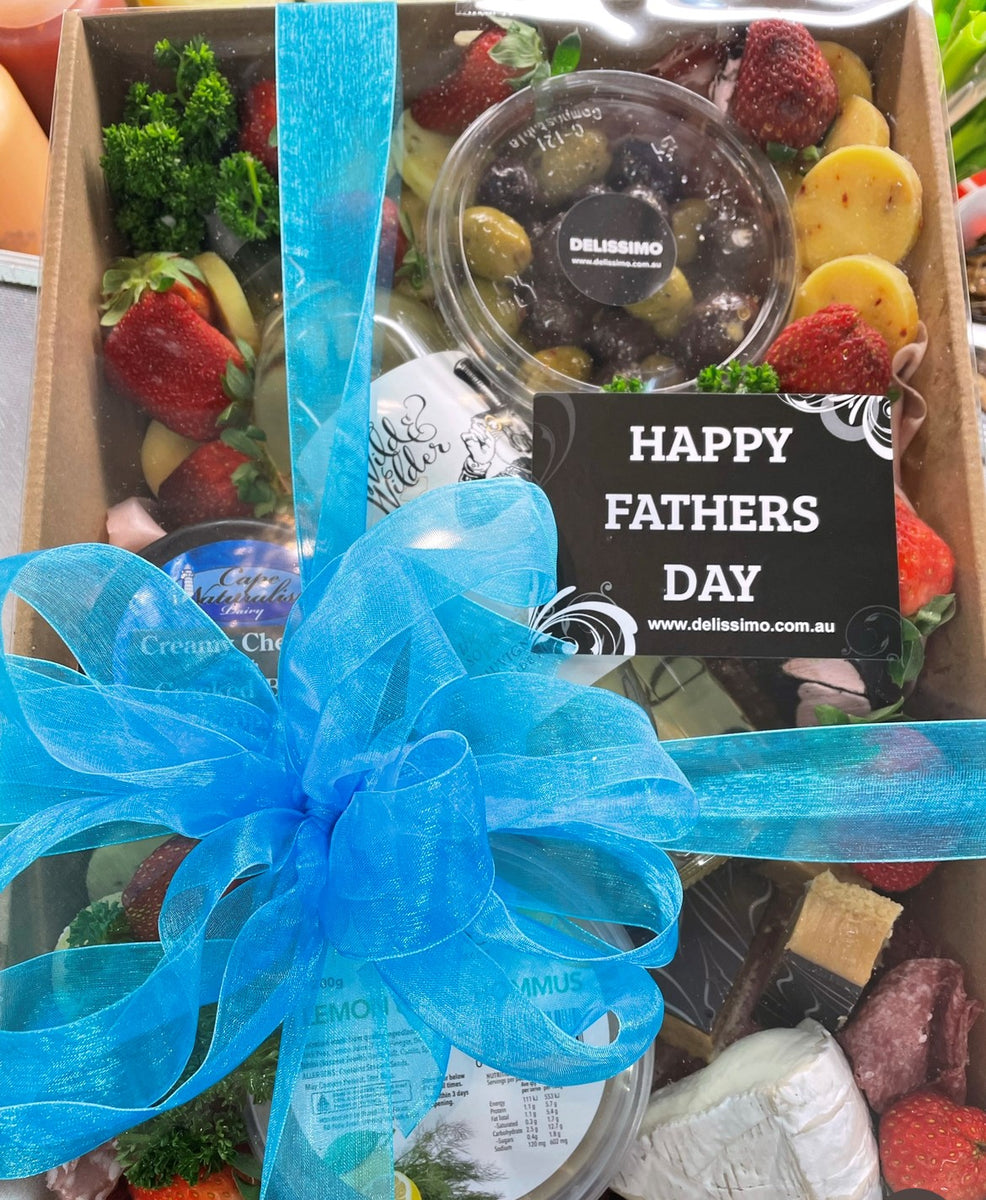
Elevating the Gift Moment and Lasting Impressions
The final stage—the moment of delivery—is often overlooked but is arguably the most critical element in answering why is presentation key when gifting expensive items? The setting, the timing, and the accompanying words are integral to the overall value proposition.
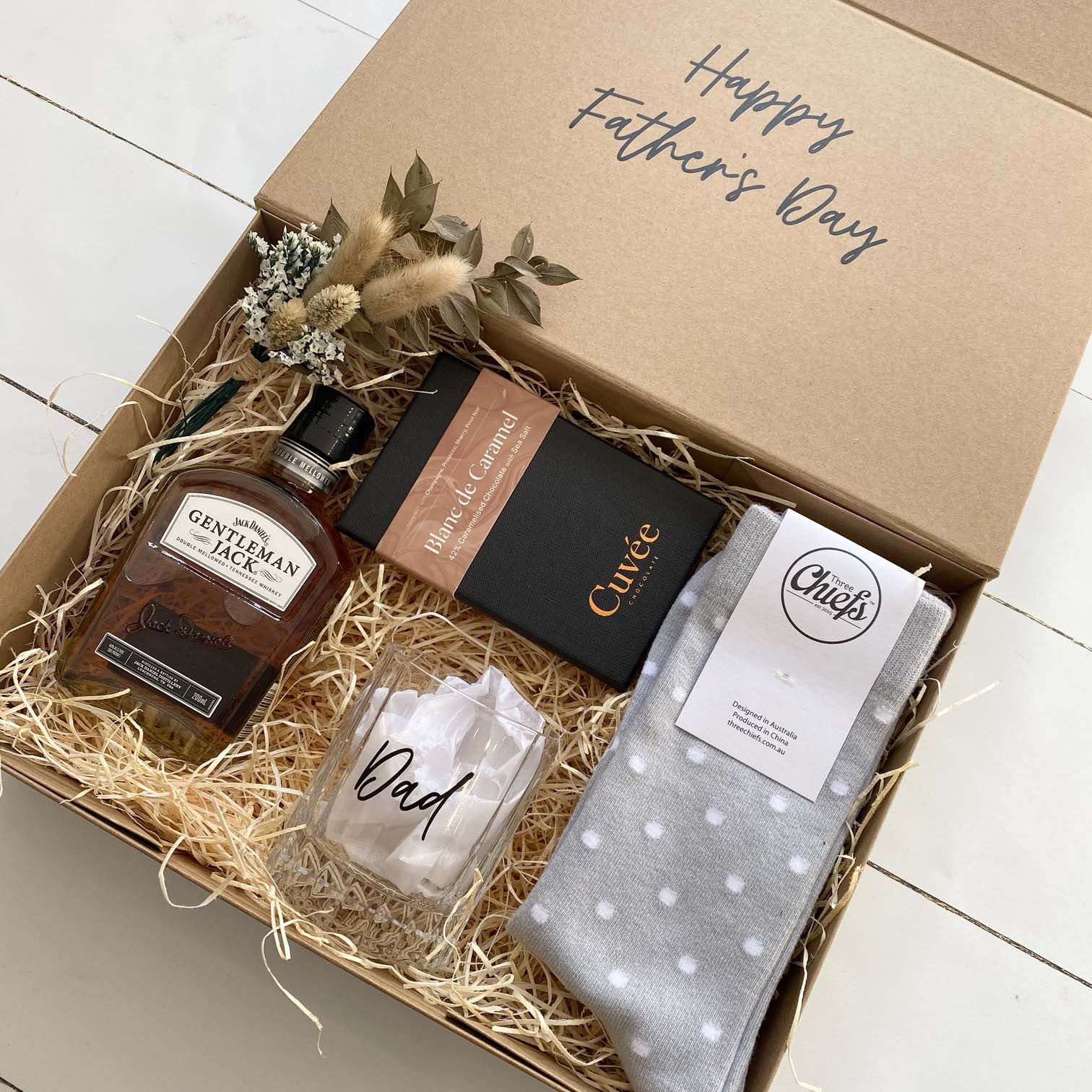
A simple anecdote I once experienced involved giving a colleague an expensive set of crystal glasses. My initial plan was simply to hand them the box at our farewell lunch. However, remembering the importance of presentation, I instead arranged for us to meet in a quiet corner with complimentary sparkling cider and placed the carefully wrapped box on a small table. The moment they opened it, surrounded by soft lighting and focused attention, the glasses felt less like a gift and more like part of an orchestrated celebration.
Remember that the wrapping is the prelude; the presentation is the symphony.
We often treat gifts as objects to be admired, when in fact, they are catalysts for memories. If you want your thoughtful gesture to land perfectly—to ring true with the intended emotional resonance—you must pay attention to every detail of its journey from your hands to theirs. By mastering the unboxing experience, you aren't just making a gift look nicer; you are ensuring that the recipient feels seen, understood, and truly valued.
Crafting an unforgettable exchange requires moving beyond the checklist mentality. It demands empathy—a deep understanding of how joy is felt in small, beautiful moments. So, next time you are considering a significant gift, don't just ask, "What should I buy?" Instead, ask yourself: "What story can I build around this object?" By treating presentation as an art form, you guarantee that the lasting impression will be one of profound thoughtfulness, making your generosity shine brighter than any carat weight or price tag.